
Great-tasting herbal teas for inflammation
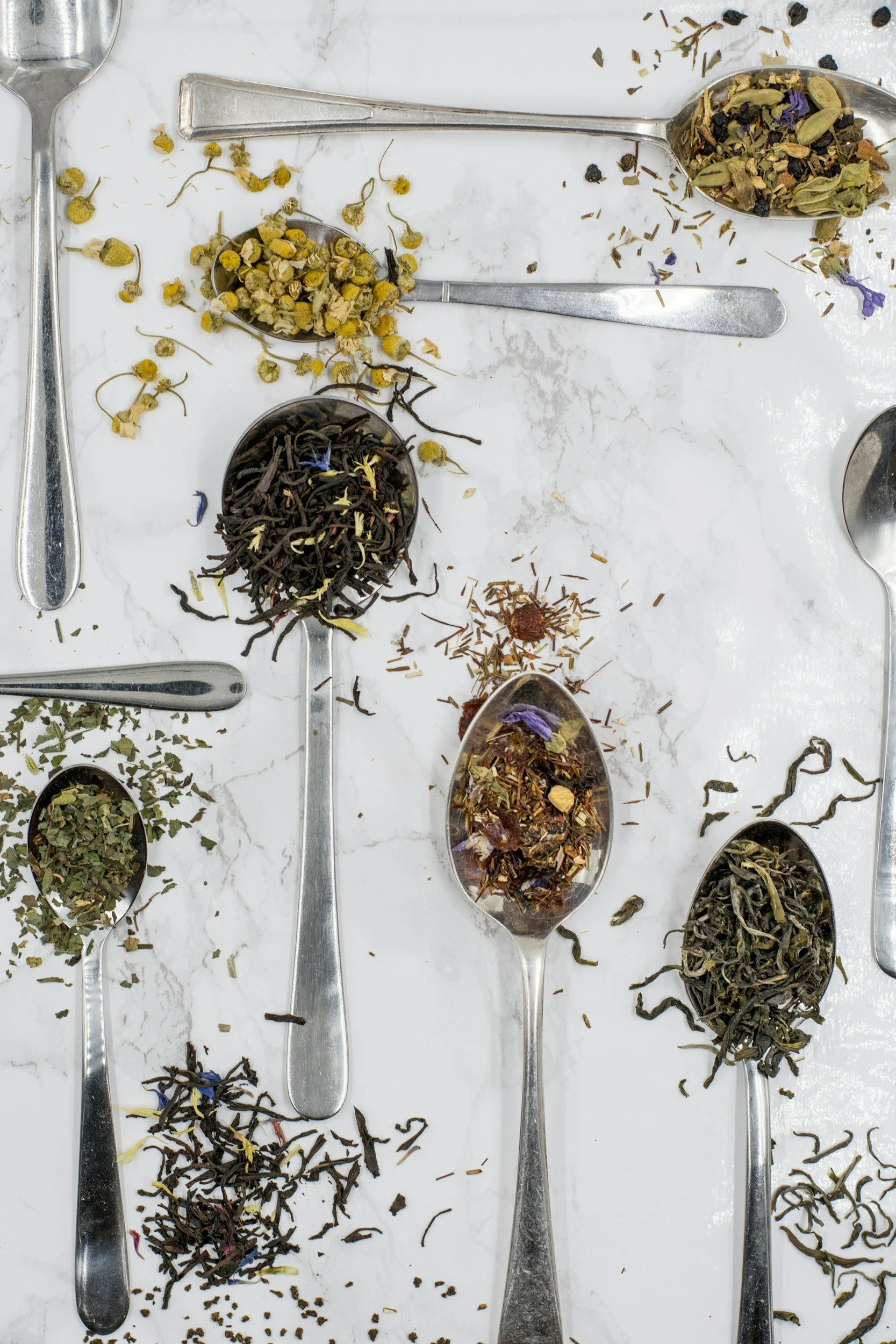
Inflammation can turn a nice or otherwise normal day into a dreary drag. So if a great-tasting herbal tea can help lift your spirits while also relieving inflammation, then I say let’s start steeping.
As a part of your body’s natural defense mechanisms, inflammation occurs when your immune system attempts to remove harmful or foreign stimuli. Whether acute or chronic inflammation, teas like curcumin, holy basil, and ginger have become popular for their inflammation-fighting properties. Often, antioxidants and polyphenols carry the anti-inflammatory load.
Researchers have found some ingredients and teas are more successful than others. Always talk with your doctors before adding any new treatments to understand how it might work with other medications.
Keep reading to learn how science suggests getting the most out of your brewed cup of tea and whether the tea bags in the back of your cabinets can help with your inflammation.
Looking for Dr. Khalili’s plant-powered, inflammation-busting topical cream? Find it here.
How to brew your cup
Everyone has their own opinion on how to brew the best cup of tea. Some people swear by loose-leaf tea, whereas others leave their tea bags in their cups until the tea is done.
One study found that loose-leaf and tea-bag products provided a similar and effective source of polyphenols.
This same study found that 80 to 90% of total polyphenols, a common anti-inflammatory in teas, appeared within 5 minutes of teabag immersion in boiled water. The study said that beyond 5 minutes, prolonging the steeping time does not translate into additional extraction.
Turmeric
The golden powder famous in Ayurvedic medicine and delicious curries of the world, Turmeric teas are also well known for their anti-inflammatory properties.
Curcumin is the active ingredient in turmeric that many studies have found decreases inflammation. Its anti-inflammatory effects on people with Irritable Bowel Syndrome and its relief of osteoarthritis-associated pain, both inflammation-inducing ailments, are well documented.
Turmeric tea is widely available, but it’s important to be aware that the body struggles to digest curcumin and only a small amount of orally ingested curcumin enters the bloodstream. Its limited ability to digest limits the anti-inflammatory benefits of curcumin.
Bonus tip: To boost absorption, consider turmeric tea with black pepper to get the most from your tea. Black pepper contains an alkaloid like capsaicin — a great anti-inflammatory products notably found in cayenne pepper. But research has shown that when combined in a complex with curcumin, black pepper increases the bioavailability of curcumin by 2000%.
Fennel
As a highly aromatic seed native to the Mediterranean, fennel has been used in natural remedies across the world. Also known as Foeniculum vulgare, fennel has been valued for its anti-inflammatory properties both in the lab and in our daily lives.
Fennel is rich in phenolic compounds that are considered to be associated with the prevention of diseases like cardiovascular diseases, cancer, and inflammation. Researchers found that oral administration of fennel inhibited acute and subacute inflammatory diseases.
Fennel tastes similar to anise or licorice, making it a strong and tasty tea for those who love licorice flavors.
Peppermint
Peppermint is well known in North America for its holiday cheer, but its also valued in holistic wellness circles for its medicinal properties.
The aromatic and flavorful herb is used in industrial and traditional medicine. Packed inside peppermint are flavonoids and menthol, which have been found to contribute to its anti-inflammatory properties as well as other antioxidant properties.
Peppermint has been used for centuries to treat inflammation from gastrointestinal ailments, IBS, nausea, and more. As an herbal tea, it’s a popular way to treat inflammation.
Bonus tip: Consider combining it with white tea. As one of the oldest types of teas, white tea combined with peppermint tea was found in one study to enhance the anti-inflammatory and antibacterial effects.
Oolong Tea
Oolong tea is one of the most popular flavors of tea that originated from China. With its unique and delicious flavor, it sits somewhere between black and green tea and has also been found to assist with inflammation.
Partially fermented from Camellia sinensis leaves, a study on oolong tea showed that it reduced nitric oxide, which helped with inflammation. Additionally, its polyphenols were found to reduce inflammation responses in mice in another study.
The studies on oolong and human subjects are limited, but studies on mice showed clear benefits.